
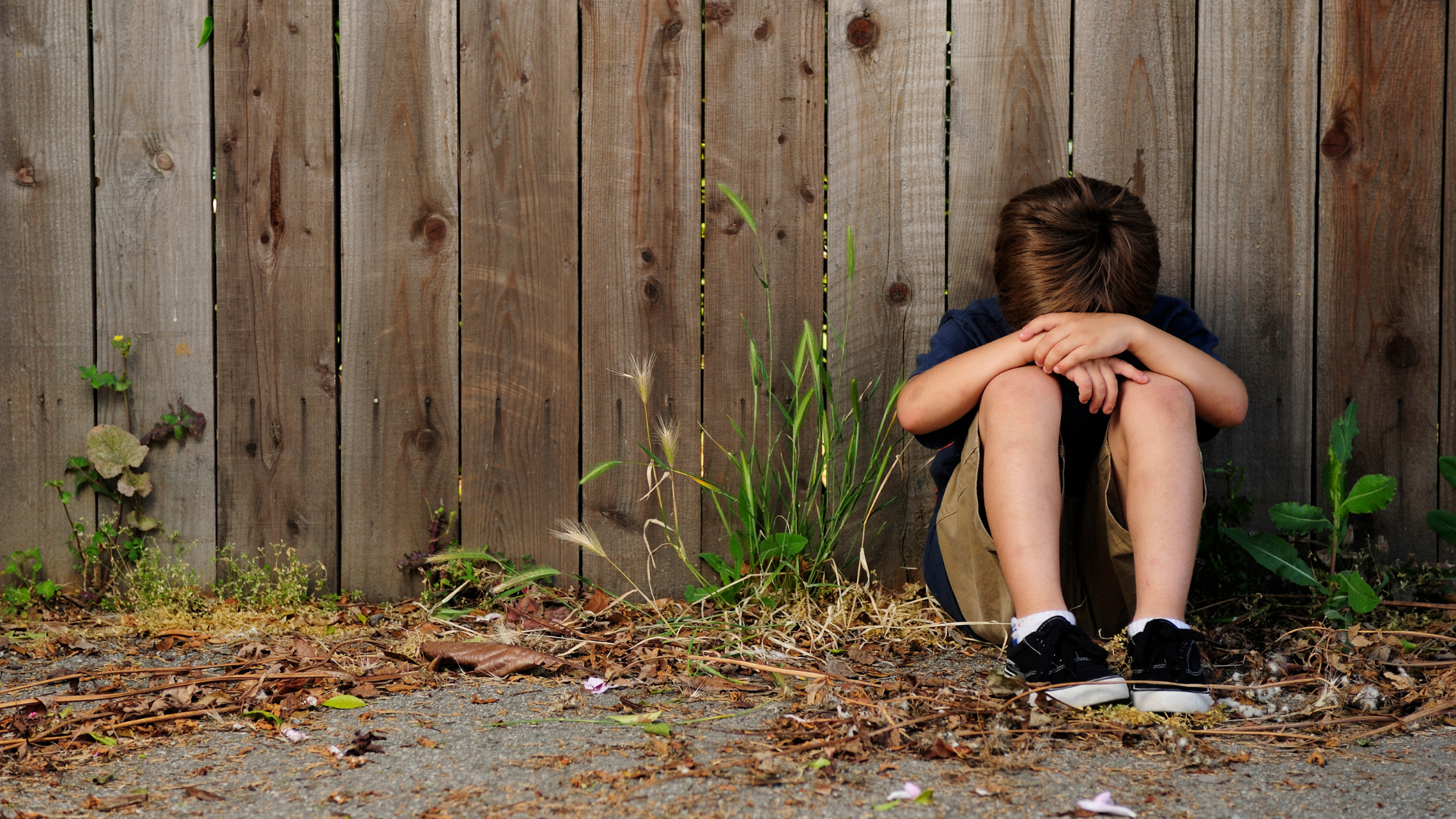
As parents, we often look forward to summer break. School is out, schedules are more flexible, and children finally get a chance to relax. However, for many children, the sudden loss of structure can lead to increased anxiety, stress, and emotional challenges.
If you’ve noticed your child becoming more irritable, worried, clingy, or withdrawn during the summer months, you are not alone. While summer offers freedom, many children thrive on routine and predictability. Without the daily structure of school, some children may struggle to manage their emotions and cope with uncertainty.
Why Does Summer Break Affect Some Children More Than Others?
During the school year, your child follows a predictable routine:
- Waking up at the same time each morning
- Attending classes
- Seeing friends regularly
- Participating in structured activities
- Following consistent meal and bedtime schedules
Once summer begins, many of those routines disappear. As a result, some children may experience:
- Increased worry and nervousness
- Difficulty managing downtime
- Feelings of loneliness or isolation
- Sleep disruptions
- Excessive boredom
- More emotional outbursts or frustration
Children often feel more secure when they know what to expect. When structure is removed, anxiety or sadness may increase.
Signs Your Child May Be Struggling With Summer Anxiety or Depression
While “summer anxiety” or “summer depression” are not official mental health diagnoses, the symptoms may be related to a mental health disorder that becomes more noticeable when structure is lost.
It’s normal for children to have occasional worries. However, parents may want to pay closer attention if their child begins to show persistent signs of anxiety or depression such as:
- Frequent stomachaches or headaches with no clear medical cause
- Excessive worrying about daily events
- Difficulty sleeping or changes in sleep patterns
- Increased clinginess or separation concerns
- Irritability, mood swings, or emotional outbursts
- Avoidance of social activities or new experiences
- Constant reassurance-seeking
- Loss of interest in activities they previously enjoyed
Effective Treatment Options for Childhood Anxiety and Depression
The good news is that childhood anxiety and depression are highly treatable.
Cognitive Behavioral Therapy (CBT) is one of the most effective treatments for anxiety in children. This approach helps children:
- Identify anxious thoughts
- Develop healthier thinking patterns
- Learn coping strategies
- Improve emotional regulation
- Build confidence and resilience
Exposure Therapy is often incorporated into CBT and helps children gradually face feared situations in a safe and supportive manner. Over time, this can reduce anxiety and increase confidence.
Play Therapy, for younger children, provides an age-appropriate way to explore emotions, express concerns, and learn coping skills through play and creative activities.
Take the First Step Toward Support
If your child is struggling with anxiety, depression, emotional regulation, or difficulty adjusting to the unstructured nature of summer break, San Antonio Counseling & Behavioral Center is here to help.
Call us today at 210-614-4990 to learn more about our child and adolescent counseling services, anxiety treatment options, and how we can help your child build the skills needed to thrive throughout the summer and beyond.
The right support can make a lasting difference in your child’s emotional well-being, and we’re here to help every step of the way.
