

The mental health landscape has changed dramatically over the past few years. What once required an in-person visit to a counselor’s office can now happen from your living room, car, or any private space with internet access. For San Antonio residents therapy’s shift has opened up incredible op portunities to access quality mental health care without traditional barriers.
But here’s the question many people ask: Is online counseling really as effective as sitting face-to face with a therapist? The answer might surprise you. Research consistently shows that teletherapy isn’t just a convenient alternative: it’s often just as effective as traditional in-person therapy, and in some cases, even better.
The Science Behind Teletherapy Effectiveness
Multiple large-scale studies have examined teletherapy’s effectiveness, and the results are com pelling. A comprehensive 2013 systematic review analyzed 70 different studies involving thousands of patients. The findings were clear: telehealth produces the same positive outcomes as in-person care across diverse populations.
Patients receiving teletherapy showed significant improvements in depression symptoms, reduced panic episodes, fewer hospitalizations, and better medication adherence. Patient satisfaction rates were consistently high, often matching or exceeding satisfaction with traditional therapy methods.
Randomized controlled trials: the gold standard for medical research: have confirmed teletherapy’s effectiveness for treating specific conditions including PTSD, eating disorders like bulimia, and anger management issues. These aren’t small pilot studies; they’re rigorous research projects involving hun dreds of participants over extended periods.
Dr. David Mohr from Northwestern University’s Center for Behavioral Intervention Technologies puts it simply: “Telehealth is essentially just as effective as face-to-face psychotherapy: and retention rates are higher.” This last point is crucial. Higher retention rates mean people are more likely to stick with their treatment plan and see long-term improvements in their mental health.
Real-World Evidence from Healthcare Systems
A recent study published in JAMA examined patients with serious mental illness across multiple healthcare practices. Researchers found something interesting: patients at practices with the highest telemedicine use had more frequent mental health services in San Antonio visits and better conti nuity of care compared to traditional in-person only practices.
This improved continuity matters enormously for mental health outcomes. Consistent therapeutic re lationships allow for deeper work, better crisis prevention, and more personalized treatment ap proaches. When therapy is more accessible through technology, people maintain these crucial thera peutic relationships more effectively.
Specific Conditions Where Teletherapy Excels
Research has identified several mental health conditions where teletherapy shows particular strength:
Depression and Anxiety: Multiple studies demonstrate that counseling delivered virtually produces comparable results to in-person treatment for both depression and anxiety disorders. The comfort of familiar surroundings often helps people open up more quickly about difficult topics.
PTSD and Trauma: Veterans Affairs studies show excellent outcomes for PTSD treatment delivered via telehealth. The privacy and control offered by home-based sessions can feel safer for trauma sur vivors who might feel vulnerable in clinical settings.
Substance Use Disorders: Teletherapy removes barriers that might prevent people from seeking ad diction treatment, such as stigma, transportation issues, or scheduling conflicts with work or family responsibilities.
Eating Disorders: Research shows teletherapy can be particularly effective for bulimia treatment, possibly because the home environment allows for more natural discussions about food and eating patterns.
Why Teletherapy Works So Well
The effectiveness of teletherapy isn’t accidental. Several factors contribute to its success:
Reduced Barriers to Access: Traffic in San Antonio can be challenging, especially during rush hours. Teletherapy eliminates commute time, parking hassles, and scheduling around traffic patterns. This convenience translates into more consistent attendance and better treatment outcomes.
Increased Comfort: Many people feel more relaxed discussing personal issues from their own space. This comfort can lead to faster therapeutic breakthroughs and more honest communication with therapists.
Environmental Control: Patients can create their ideal therapeutic environment: comfortable seating, appropriate lighting, familiar surroundings. This control can reduce anxiety about the therapy process itself.
Privacy: Some people worry about running into someone they know, with San Antonio Counseling and Behavioral Center‘s online services it eliminates this concern entirely.
Expanded Access to Specialized Care
One significant advantage of online counseling is access to specialized therapists who might not be available locally. San Antonio residents can work with therapists who specialize in specific conditions, cultural backgrounds, or treatment approaches that might not be readily available in their immediate area.
This is particularly valuable for individuals seeking therapists who share their cultural background, speak their native language, or have expertise in specific areas like ADHD, military trauma, depression anxiety disorders and many more.
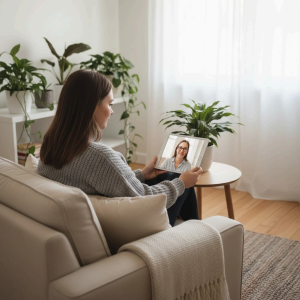
Research specifically shows that teletherapy can be superior to in-person care for non-English speak ing patients who can access therapists fluent in their preferred language, even if those therapists aren’t physically located in San Antonio.
Addressing Common Concerns
Despite the research supporting teletherapy effectiveness, some people still have reservations. Let’s address the most common concerns:
Technology Issues: While technical glitches can occasionally interrupt sessions, studies show these disruptions rarely impact overall treatment effectiveness. Most platforms are reliable, and therapists are trained to handle technical difficulties smoothly.
Personal Connection: Research indicates that therapeutic relationships formed through video ses sions are just as strong as those formed in person. The key therapeutic factors: empathy, understand ing, and professional guidance: translate well through technology.
Crisis Management: Licensed professionals conducting teletherapy are trained in crisis intervention via technology. They maintain protocols for emergency situations and can coordinate local emer gency services when necessary.
The Future of Mental Health Care in San Antonio
The integration of teletherapy into behavioral health services represents a permanent shift in how mental health care is delivered. This isn’t a temporary solution or stopgap measure: it’s an evidence based treatment modality that’s here to stay.
For San Antonio families, this means more options, greater flexibility, and improved access to quality mental health care. Parents can more easily fit therapy into their schedules. Individuals with trans portation challenges can access care. People in surrounding areas outside the city can connect with San Antonio’s excellent mental health providers.

The research is clear: teletherapy works. It produces the same positive outcomes as traditional thera py, often with better retention rates and higher patient satisfaction. For San Antonio residents seeking effective counseling services, teletherapy offers a scientifically-backed option that fits modern lifestyles while delivering proven results.
Taking the Next Step
If you’re considering therapy in San Antonio, teletherapy might be an excellent option for your mental health needs. The evidence shows it’s not a compromise: it’s a legitimate, effective treatment method supported by extensive research.
San Antonio Counseling & Behavioral Center offers comprehensive teletherapy services designed to meet the diverse needs of our community. Our licensed therapists provide the same high-quality care virtually that you’d receive in our offices, with the added convenience and comfort of accessing thera py from wherever feels most comfortable to you.
Ready to explore how teletherapy might benefit your mental health journey? Contact our team to dis cuss your options and find the right therapeutic approach for your unique situation. Call us at 210-614-4990.
